



Finishing treatment is a major milestone, but stepping back into everyday life can feel overwhelming. You’ve built a foundation in treatment, but now you’re wondering: what comes next? A recovery home might be the bridge you need between structured care and independent living. This article explores the signs you’re ready for sober living, what to expect, and alternatives if you need more support first.
Quick Takeaways
- Recovery homes provide structure and peer support during the critical transition from treatment to independence
- Signs you’re ready include completing primary treatment, having basic life skills, and wanting accountability
- Combining outpatient programs with sober living offers intensive support without residential treatment
- If you’re not ready, options like PHP/IOP combinations or extended residential care provide additional stabilization
What Makes Some Suitable For a Recovery Home? Signs You Are Ready
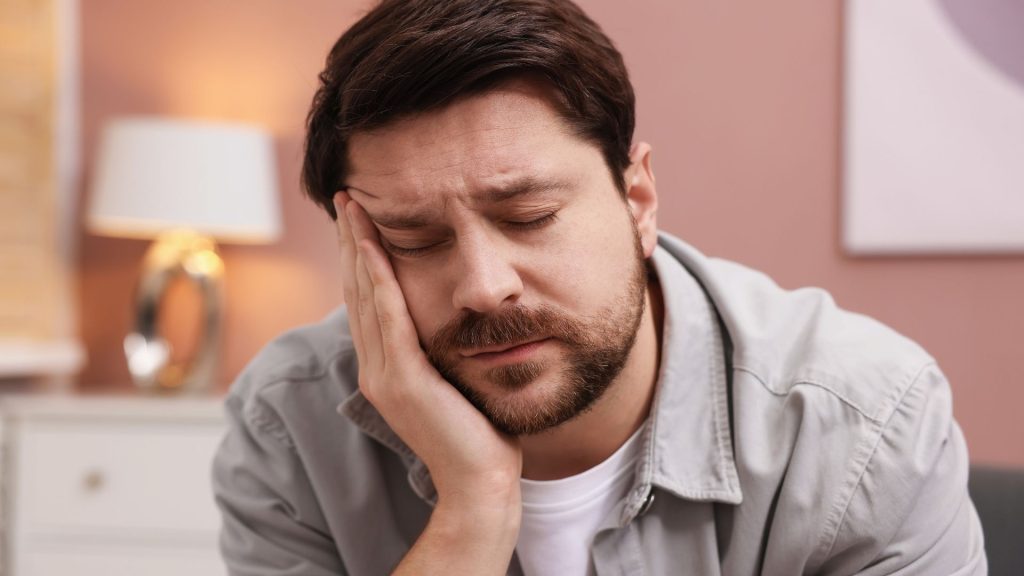
Readiness for sober living homes isn’t about perfection. It’s about having the right foundation and mindset. Many people benefit from this environment after completing an addiction treatment program at the residential or inpatient level. This is because you should have basic tools for managing your substance use disorder and a genuine desire to maintain abstinence.
Recovery support services work best when someone has completed acute stabilization for their substance use. You don’t need to have everything figured out, but you should be past the immediate crisis phase. If you’re still experiencing severe withdrawal symptoms or haven’t addressed co-occurring mental health conditions, you might need additional clinical support first.
Think about your decision-making abilities.
- Can you navigate conflicts without using?
- Do you have strategies for managing cravings?
- When you feel stressed, overwhelmed, or bored, what do you reach for first?
- Have you noticed certain people, places, or times of day that reliably trigger cravings or urges to use?
These life skills matter more than how long you’ve been sober. Some residents enter recovery residences with just days of sobriety, while others wait months. What matters is your commitment to the process and willingness to follow house rules.
What To Expect in a Sober Living Environment
Sober living houses create a middle ground between the structure of substance abuse treatment facilities and complete independence. You’ll live with other residents in recovery, attend house meetings, and maintain accountability through regular drug testing. The living environment emphasizes peer support rather than clinical intervention.
Many sober homes require residents to participate in mutual support groups like 12-step programs or SMART Recovery meetings. You’ll also handle household chores, pay rent, and gradually rebuild your ability to function in everyday life. This isn’t rehab. There’s no 24-hour medical staff or intensive therapy sessions. Instead, you’re practicing recovery in a supportive community.
Recovery residences come in different levels. Some offer minimal structure, while others provide more oversight and programming. Oxford houses, for example, operate as democratically-run homes where residents make collective decisions. Halfway house environments typically have more rules and mandatory programming.
What are the Benefits of a Recovery Home?
A recovery home offers a structured, substance-free living environment that bridges the gap between formal treatment and independent living. For individuals in early recovery, having a stable and supportive place to live can make the difference between maintaining sobriety and returning to old patterns of use.
- Accountability: Regular check-ins, house rules, and peer oversight help residents stay committed to their sobriety goals.
- Peer Support: Living alongside others in recovery creates a built-in community of people who understand the challenges of sobriety firsthand.
- Structure: Consistent daily routines reduce idle time, which is a common trigger for cravings and relapse.
- Safe Environment: Removing access to substances and distancing residents from high-risk social circles significantly lowers the risk of relapse.
- Transition Support: Recovery homes ease the often overwhelming shift from the highly structured environment of formal treatment back to independent daily life.
- Affordable Housing: Many recovery homes offer low-cost housing options, removing the financial barrier that can otherwise push individuals back into unstable living situations.
Combining Outpatient Treatment for Substance Use Disorder with Sober Living

Many people don’t realize that outpatient programming paired with recovery housing offers a powerful middle path. Instead of choosing between residential treatment and going home, you can access intensive care while building independence. This combination addresses a common gap in the continuum of care.
PHP Treatment
Partial hospitalization programs typically run five to six days weekly for six hours daily. When combined with sober living homes, you get clinical treatment during the day and peer support at night. This structure keeps you engaged in recovery work while you’re learning to navigate real-world challenges. You might attend group therapy in the morning, see your counselor in the afternoon, then return to your recovery home for dinner and house meetings.
IOP and Sober Living
Intensive outpatient programs offer similar benefits with more flexibility. You’ll attend treatment several evenings per week while working or volunteering during the day. Living in a sober home during IOP helps you apply what you’re learning immediately. When you face a trigger at work, you come home to people who understand and can support you without judgment.
This approach particularly benefits young people transitioning from residential care. It provides enough structure to feel safe while building confidence in your ability to manage recovery independently. Recovery support services through your treatment program, combined with the natural support system in your sober living house, create multiple safety nets.
Making Your Decision
The choice to enter a recovery home should involve your treatment team, family members when appropriate, and an honest self-assessment. Find treatment options that match your current needs rather than pushing yourself into situations you’re not prepared for. Recovery isn’t a race, and taking time to build a strong foundation serves you better than rushing into independence.
| Decision Factor | Ready for Sober Living | Need More Support |
|---|---|---|
| Treatment completion | Finished primary program | Still in acute phase |
| Sobriety stability | Can manage cravings with tools | Frequent relapse or intense urges |
| Life skills | Handle basic self-care and responsibilities | Struggle with daily tasks |
| Support system | Have recovery contacts and resources | Feel isolated or unsupported |
| Clinical needs | Mental health stable with outpatient care | Need intensive clinical intervention |
Consider visiting several sober living environments before deciding. Talk to current residents about their experience. Ask about house rules, meeting requirements, and how they handle conflicts. The right recovery residence feels like a place where you can be yourself while working toward your goals.
Your substance use patterns, co-occurring mental health needs, and personal circumstances all influence what level of care makes sense. Some people thrive in the structured freedom of sober homes immediately after residential treatment. Others need the intensity of partial hospitalization or extended residential treatment before they’re ready. Both paths lead to recovery when you’re honest about what you need.
Building Your Recovery To Sustain Your Journey
Choosing the right next step after treatment sets the foundation for long-term sobriety. Whether you’re ready for a recovery home, need additional treatment programs, or want to combine outpatient care with structured living, the important thing is finding support that matches your needs. Mile High Sober Living offers a recovery-centered community where you don’t have to figure everything out alone.
We walk with you through real, lasting recovery, providing the accountability and peer support that helps people stay connected to their goals. If you’re considering your next step, reach out to learn how our sober living environment might fit your recovery journey. You belong in a community that understands.