



Transitioning into a sober house doesn’t mean putting your life on hold. Most sober living homes actively encourage residents to maintain employment or continue their education as part of building independence and structure. Balancing recovery with work or school requires planning, but thousands of people successfully manage both. This guide walks you through everything you need to know about staying productive while prioritizing your recovery journey.
Quick Takeaways
- Most sober living programs support residents who work or attend school as part of their recovery
- Employment and education provide structure, purpose, and financial independence during early recovery
- Time management between house meetings, therapy, and responsibilities requires advanced planning
- Transportation access and quiet study spaces are critical considerations when choosing recovery housing
What to Know About Sober Living Homes and Daily Structure

Sober living houses provide drug and alcohol-free environments where individuals recovering from substance use disorder can practice independent living skills while maintaining accountability. Unlike inpatient rehabilitation programs, recovery residences are designed for people ready to re-engage with daily life. Most sober living homes operate as self-supporting communities where residents contribute rent, participate in house meetings, and follow basic rules while managing external commitments.
The structure varies considerably. Some sober homes require full-time attendance at intensive outpatient programs initially, while others accommodate residents with established jobs from day one. Oxford houses, for example, are specifically designed as peer support communities where working residents maintain the home collectively.
Employment Benefits During Recovery Housing
Working while in recovery housing offers tangible advantages beyond income. Employment provides daily structure, reduces isolation, and builds self-esteem during a vulnerable period. Studies show that individuals who maintain steady employment during early recovery demonstrate better long-term recovery outcomes and lower relapse rates.
Individuals fresh from detox or residential treatment may benefit from focusing solely on recovery for the first few weeks. Your treatment team can help assess whether you’re ready to take on additional work responsibilities.
Affording Rent and Other Finances
Most sober living homes require residents to pay weekly or monthly rent, typically ranging from $500 to $1,500, depending on location and amenities. Employment ensures you can afford housing costs, treatment copays, and basic necessities without creating financial stress that threatens sobriety.
Many residents find that working toward concrete goals, like saving for an apartment or paying off debt, strengthens their commitment to staying alcohol free. Unfortunately, access to recovery housing and substance abuse disorder care generally is still a nationwide issue, particularly for those who live in rural areas.
Educational Pursuits in Sober Living and Early Recovery
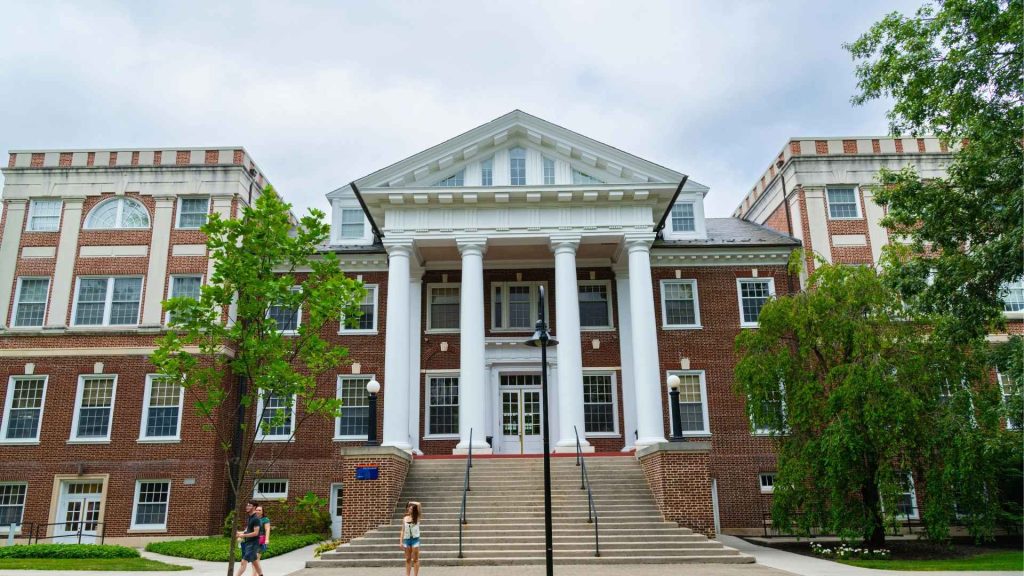
Returning to school while living in sober living homes demonstrates commitment to rebuilding your future. Many residents pursue GED completion, vocational training, community college courses, or even university degrees. Educational environments provide structure similar to employment while building credentials that improve long-term prospects.
Balancing School and Sober Living
The challenge lies in balancing academic demands with recovery programming and a sober environment. Before enrolling, verify that your recovery residence can accommodate your class schedule and that you’ll have reliable internet access and quiet hours for studying.
- Evening classes may conflict with house meetings or therapeutic communities’ group sessions.
- Online courses offer flexibility, but require discipline and adequate study space.
- Students should also investigate campus recovery programs and collegiate recovery communities.
Time Management Between Recovery and Responsibilities
Successfully balancing work or school with recovery residences requires strategic planning. Early recovery demands significant time investment in treatment and support systems. Plan your work or school schedule around non-negotiable recovery commitments rather than squeezing recovery into gaps. Many employers and educational institutions offer flexible arrangements when you communicate your needs honestly.
| Activity | Hours/Week | Priority Level |
|---|---|---|
| House meetings & accountability | 5-8 hours | Essential |
| Outpatient therapy/programming | 6-20 hours | Essential |
| Work/School | 20-40 hours | High |
| Sleep (8 hours nightly) | 56 hours | Essential |
| Personal recovery work | 7-10 hours | High |
| Self-care & community building | 10-15 hours | Medium |
Questions to Ask Before Moving into a Drug and Alcohol Free Environment
Before committing to any sober house, clarify these critical details to ensure your work or school plans are compatible:
Schedule and Access:
- What are the curfew hours? Can they be adjusted for work or class schedules?
- Are overnight work shifts or study sessions permitted with advance notice?
- How much advance notice is required for schedule changes?
Practical Considerations:
- Is Wi-Fi available and reliable for online classes or work-from-home arrangements?
- Are there designated quiet study spaces?
- What public transportation options exist for reaching work or school?
- Can I park a vehicle on-site if needed for employment?
Recovery Requirements:
- How many house meetings are mandatory weekly?
- What therapy or outpatient programming hours are required?
- Can meeting attendance be scheduled around work or class commitments?
- What documentation from employers or schools is needed?
Support Systems:
- Does the house offer job placement assistance or career counseling?
- Are there resources for resume building or interview preparation?
- Will staff provide employment verification letters if needed?
Sober House FAQs
What is the meaning of sober house?
A sober house is alcohol free and drug-free recovery housing where individuals with substance use disorder live together while transitioning to independent living. These therapeutic communities provide structure, peer support, and accountability through house rules and meetings without offering clinical treatment services.
What happens in a sober living house?
Residents in sober living houses maintain sobriety, attend regular house meetings, follow daily schedules, contribute to chores, pay rent, and participate in recovery programming. Most residents work or attend school while building life skills and receiving peer support in a structured, supportive environment focused on long-term recovery.
What’s the difference between a sober house and a halfway house?
Halfway houses are typically court-mandated or government-funded transitional housing for individuals leaving incarceration, while sober living homes are voluntary, self-supporting recovery residences. Sober houses offer more independence, don’t require criminal justice involvement, and focus exclusively on substance use recovery rather than reintegration from prison.
Recovery Without Pausing Life
Working or attending school while living in a sober house is not only possible but often beneficial for long-term sobriety. The structure, purpose, and independence that employment or education provides complement the supportive environment of recovery housing. Success requires honest communication with your recovery residence about schedule needs, realistic time management, and prioritizing recovery commitments even during busy periods.
At Mile High Sober Living, we understand that recovery extends beyond clinical treatment into building meaningful, productive lives. Our supportive community helps residents balance personal goals with recovery needs, offering the accountability and structure that makes juggling multiple responsibilities manageable. Recovery doesn’t mean pausing your life; it means learning to live it fully while staying connected to the support that keeps you drug and alcohol free. Reach out to get started at our Denver sober living houses.